
Ian Palmer, Head of UK Specification
Airflow Developments Ltd
Ian Palmer, Head of UK Specification
Airflow Developments Ltd
Ian Palmer, Head of UK Specification at Airflow Developments Ltd highlights why air quality and acoustic considerations in education buildings are key to better learning environments.
As schools, colleges and universities upgrade or refurbish their buildings, ventilation has become a key factor in designing and managing teaching spaces. For M&E consultants, ensuring good indoor air quality is essential, not just for regulatory compliance, but for health, wellbeing, energy performance, and learning outcomes.
Carbon dioxide (CO₂) is one of the most significant pollutants in indoor spaces. High CO₂ levels contribute to fatigue, reduced concentration, and slower decision-making. In environments where cognitive performance directly affects attainment, managing CO₂ levels is critical to creating spaces where students and teachers can focus.
Teaching spaces often have high occupancy for long periods. Without effective ventilation, CO₂ can rise above recommended thresholds within an hour. Research shows that elevated CO₂ levels can lead to:
While classroom discussions often focus on overheating, especially after warmer summers, temperature control alone does not address air-quality issues. Temperature affects comfort, but ventilation directly affects students’ ability to concentrate.
In response to rising temperatures, some schools are installing air conditioning to manage heat, and while AC provides thermal comfort, it does not improve indoor air quality. Most systems recirculate indoor air, which means they do not remove CO₂ or indoor pollutants or introduce filtered outdoor air.
As a result, a classroom may feel cooler, but students can still be breathing stale air. Thus, distinguishing between cooling and ventilation is crucial. Fit-for-purpose learning environments require both temperature control and reliable ventilation.
Many schools still use natural hybrid ventilation, which also has its limitations. The natural ventilation component of natural hybrid systems depends heavily on ambient wind speed, wind direction, and the indoor/outdoor temperature difference.
During calm weather or extreme conditions (very high or very low temperatures), natural forces are insufficient, requiring a switch to mechanical mode and thus increasing energy consumption.
In urban or industrial areas with high levels of air pollution or excessive external noise, keeping windows and vents open for natural ventilation may be undesirable or impractical. Filtration may be necessary in polluted areas, which adds to system complexity and cost.
Natural hybrid systems may meet minimum ventilation requirements, but they often cannot provide the stable, consistent ventilation needed throughout the academic year.
Smart mechanical ventilation, particularly systems with heat recovery (MVHR), provides a reliable way to maintain air quality in schools. These systems use real-time monitoring and automated controls to adjust ventilation rates based on occupancy, temperature, and CO₂ levels:
1. Reliable CO₂ and indoor air quality performance
MVHR ensures a steady supply of fresh, filtered air while removing stale air, keeping CO₂ within recommended levels regardless of external conditions.
2. Energy efficiency
Heat recovery captures energy from outgoing air and uses it to temper incoming air, reducing heating demand and helping meet Part L requirements.
3. Acoustic and comfort performance
Because MVHR systems do not rely on open windows, they help classrooms comply with BB93 noise limits, essential in teaching spaces, libraries, and exam rooms.
4. Centralised monitoring and control
Facilities teams can monitor ventilation across multiple buildings, which is especially valuable for universities or multi-academy trusts.
Smart ventilation provides a practical, integrated solution that addresses indoor air quality (IAQ), energy efficiency, and acoustic performance in a single system.
Ventilation design in schools and colleges is guided by two key frameworks: Building Bulletin 101 (BB101), which covers ventilation and thermal comfort, and Building Bulletin 93 (BB93), which sets acoustic standards.
BB101 specifies requirements for minimum ventilation rates, CO₂ concentration limits, and strategies to prevent overheating. It also integrates with Building Regulations Part F and Part L. The guidance emphasises that ventilation must support both indoor air quality and thermal comfort without compromising acoustic performance, making mechanical systems one of the most reliable ways to achieve these standards consistently.
BB93 complements this by defining acoustic performance requirements for educational spaces, including maximum permissible noise levels for teaching, learning, and study areas. Ventilation design must consider the control of fan, duct, and terminal noise, ensuring that systems do not exceed ambient noise limits.
Open-window strategies, while sometimes used, often struggle to meet BB93 requirements, particularly in urban areas or near playgrounds and roads. As a result, low-noise mechanical ventilation is recommended for classrooms, music rooms, and SEND facilities to ensure both compliance and a conducive learning environment.
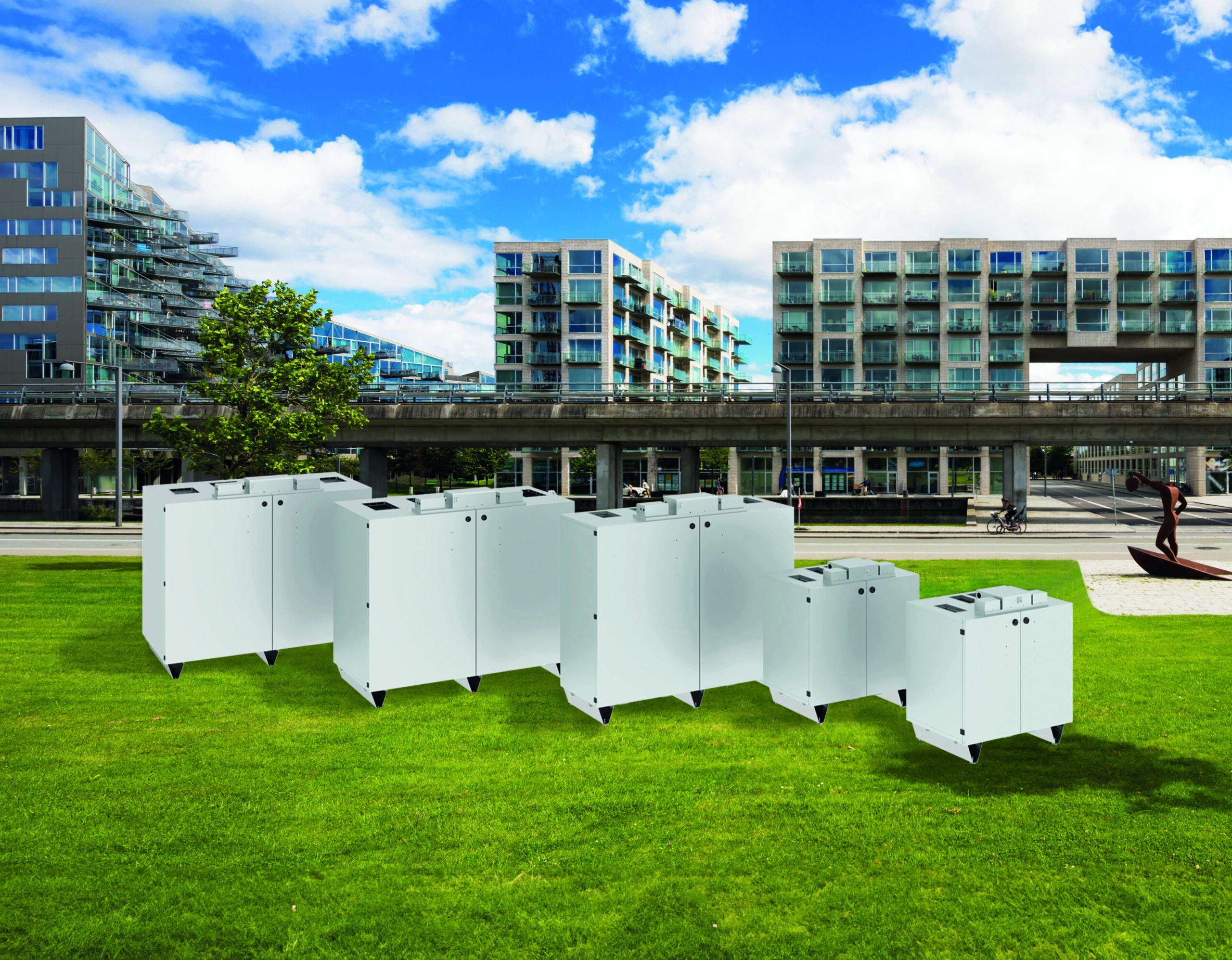
Modern MVHR units designed for schools combine heat recovery, low-noise operation, and energy efficiency while offering flexible installation options. Examples commonly used in education include:
These systems show how consultants can meet BB101, BB93, and Building Regulations in one integrated solution.
Indoor air quality is now a key consideration for student health, wellbeing, and performance. Rising temperatures, tighter efficiency standards, and increased attention from school governors and parents make ventilation a core element of effective learning spaces.
For M&E consultants, the evidence is clear:

Clean air directly affects learning outcomes. Specifying reliable, low-noise mechanical ventilation, from compact classroom MVHR units to larger centralised systems, helps create healthy, effective educational environments.
Smart ventilation is no longer optional; it is now a core requirement for effective and healthy learning spaces.