Martin Whiteley, Managing Director
Roperhurst Limited
Martin Whiteley, Managing Director
Roperhurst Limited
Martin Whiteley, Managing Director of Roperhurst, explains why plastic ductwork remains the material of choice for fume extract systems, and why design, fabrication and installation are vitally important considerations.
In modern construction and refurbishment projects, ductwork rarely grabs the headlines. It is often seen as a background system – a means to move air from one place to another.
Yet, when that ductwork is tasked with handling hazardous fumes, vapours, and process emissions, it becomes safety-critical. The design, fabrication, and installation of plastic fume extract ductwork is not only about system performance – it is about safeguarding operatives, protecting the environment, and ensuring compliance with increasingly stringent UK and international standards.
At Roperhurst, we have spent more than four decades manufacturing and installing thermoplastic ductwork systems for laboratories, hospitals, research facilities, and industrial plants across the UK. It’s offers designers, installers and end-users many advantages, but when applying these systems, safety, emissions control, and sustainability must guide every stage.
For aggressive and corrosive fume extraction applications, mild steel and even coated steel systems often fall short. Corrosion, contamination, and costly maintenance are common challenges.
In these areas, thermoplastics such as polypropylene (PP), polyethylene (PE), PVC, and PVDF offer clear advantages:
Lifecycle efficiency – properly specified systems can provide decades of service with minimal maintenance.
Corrosion resistance – plastics are inherently resistant to acids, alkalis, and solvents that would rapidly degrade metals.
Lightweight – easier to handle and install, particularly in retrofit projects where access is restricted.
Low leakage rates – when correctly welded and tested, thermoplastic ductwork can achieve airtight performance critical for safety-critical applications.
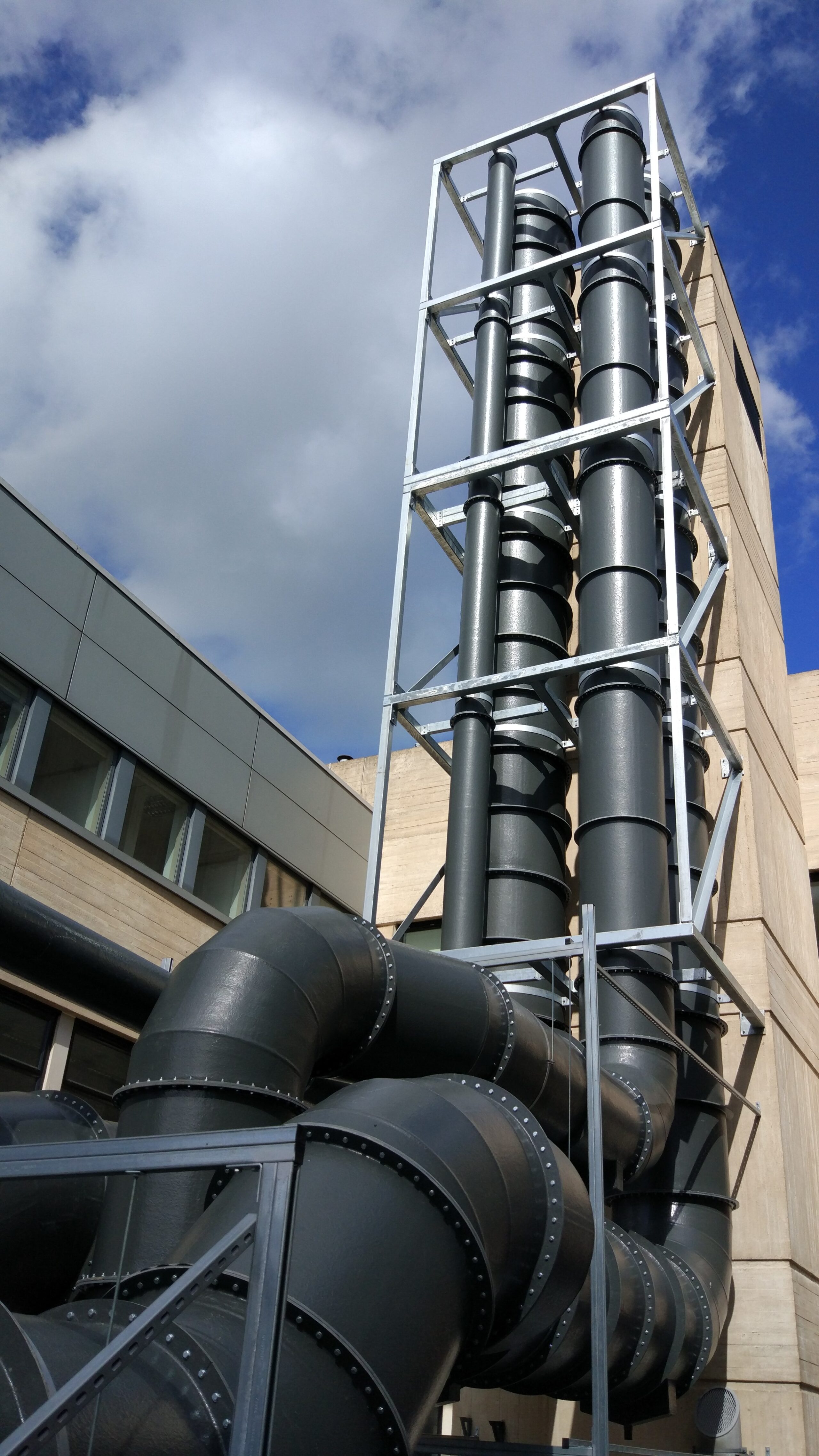
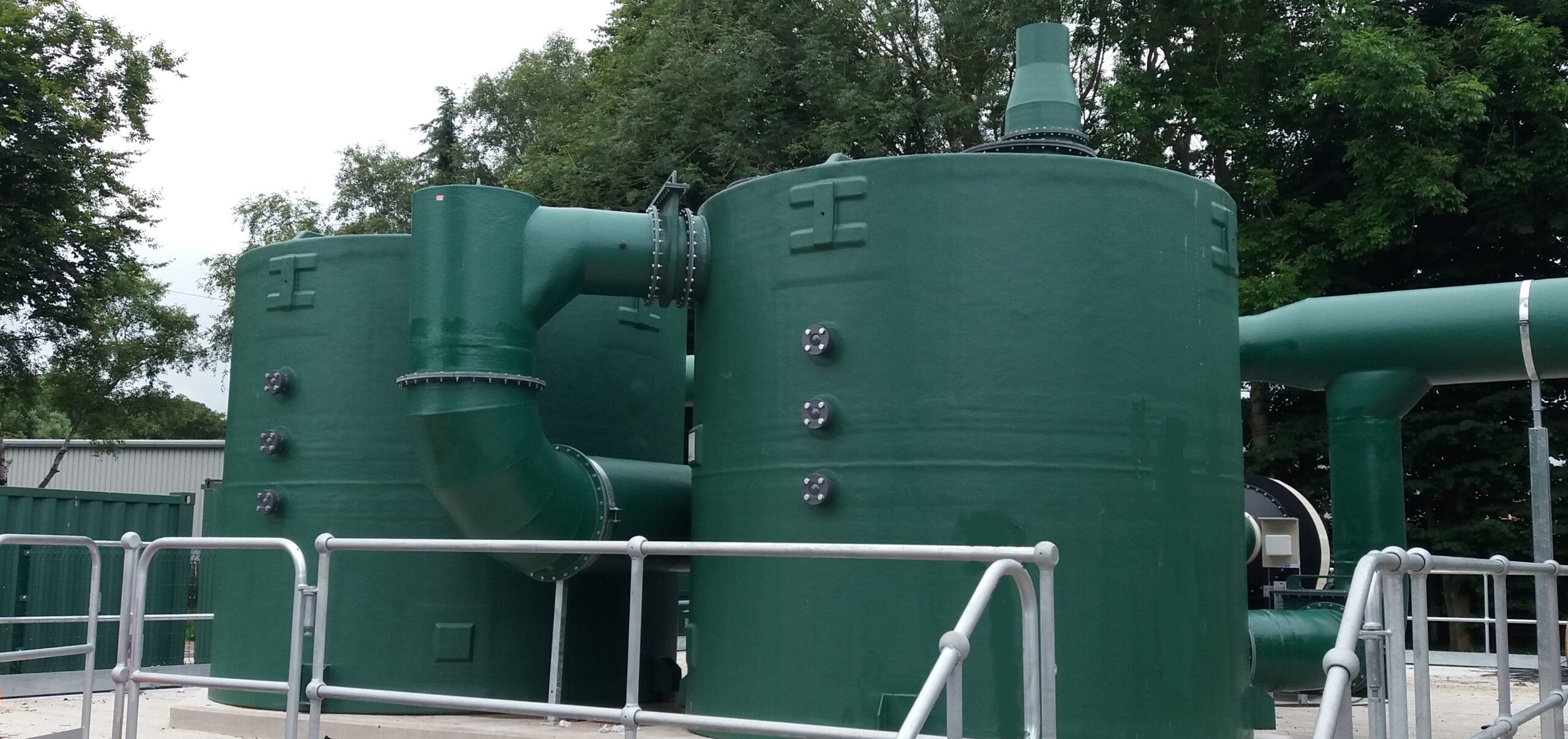
Photo: PVC GRP tower
For these reasons, plastic fume extract ductwork has become standard in laboratories, semiconductor facilities, pharmaceutical production, waste treatment plants, and educational settings where hazardous chemicals are in daily use.
The priority in any safety-critical installation must be the protection of operatives. This begins with design decisions and continues through fabrication, installation, and maintenance.
In short, operative safety depends on a culture of competence – from the workshop to the rooftop.
Environmental responsibility is now a central pillar of building services design. For fume extract ductwork, this has three dimensions:
UK environmental legislation, including the Environmental Protection Act 1990 and the Clean Air Act 1993, underpins project requirements, but best practice increasingly demands going beyond minimum compliance.
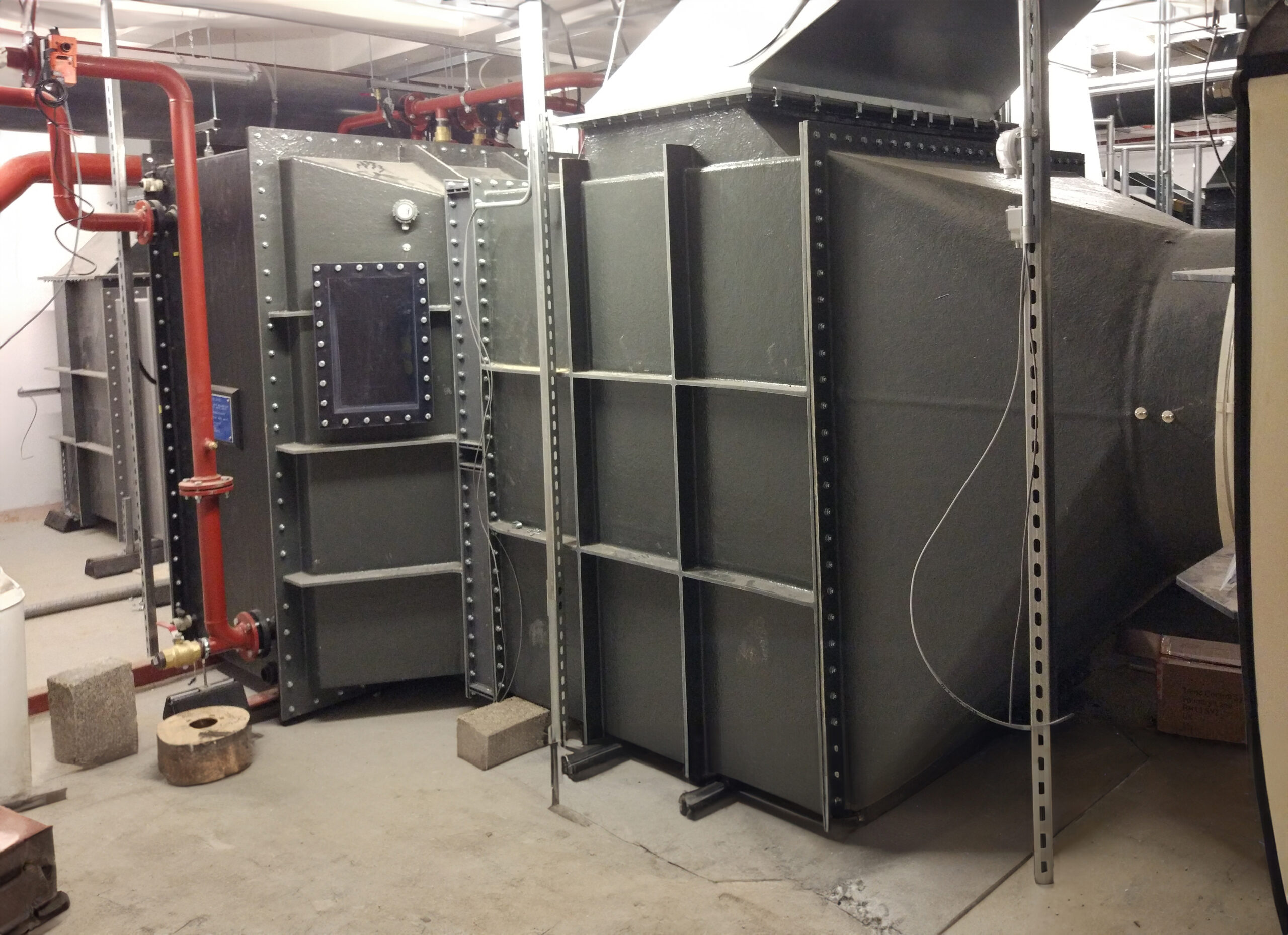
Photo: Odour control units and Ductwork
Clients and contractors alike recognise that sustainable design is not optional.
Laboratory and industrial processes can release a wide spectrum of contaminants: acid vapours, volatile organic compounds, particulates, or biohazards. Effective emissions control requires a systems approach of four Cs:
Plastic ductwork is a vital part of this chain. Its chemical resistance means it can carry even the harshest emissions to abatement systems without degradation.
Importantly, correct welding and testing practices are essential to ensure containment integrity over the system’s life.
Based on our experience across many installations and 50 years of trading, the following best practice measures should guide contractors, architects, and consultants:
Plastic fume extract ductwork may be unseen, running behind ceilings or across rooftops, but it is the silent guardian of safety and compliance in many of our most sensitive facilities.
For operatives, it reduces risk through safer handling and installation. For the environment, it ensures harmful emissions are captured and treated.
For building owners and consultants, it provides confidence in long-term performance and compliance.
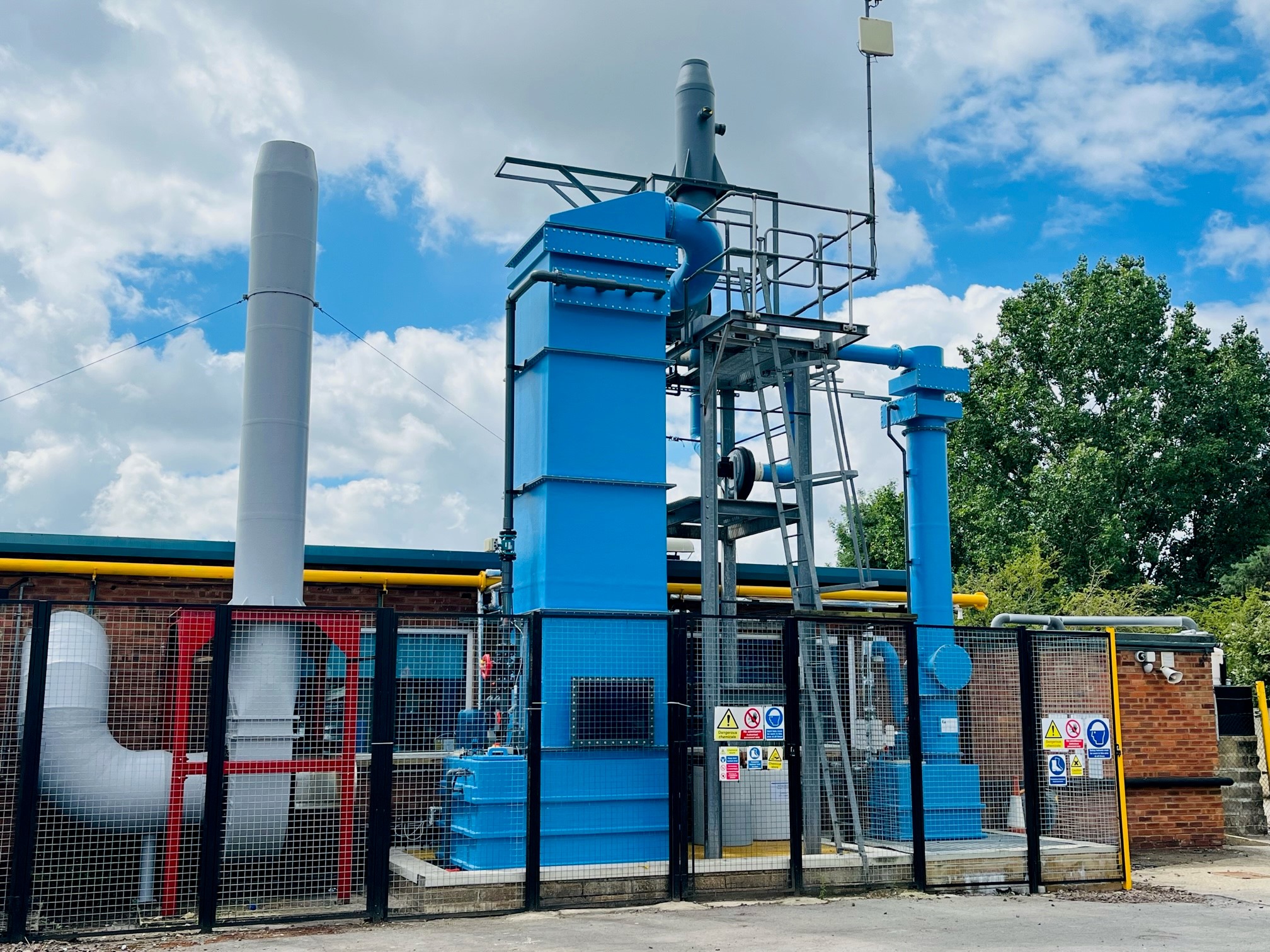
Photo: Scrubbers and ductwork
As environmental standards tighten and safety expectations rise, the case for robust, expertly installed plastic fume extract ductwork has never been stronger. At Roperhurst, we see our role not just as a manufacturer and installer, but as a partner in building safer, cleaner, and more sustainable facilities across the UK.