
Phillip Handley, Country Manager
Walraven UK
Phillip Handley, Country Manager
Walraven UK
Phillip Handley, Country Manager for Walraven highlights the key material and lifecycle considerations for sustainable M&E support systems
As the building services industry intensifies its focus on net zero targets and circular economy principles, mechanical and electrical (M&E) contractors are increasingly expected to embed sustainability into every aspect of their work.
While much attention is given to major equipment and energy systems, the fixings and modular support systems that underpin these installations are often overlooked. Yet, they represent a significant opportunity to reduce embodied carbon, improve material efficiency, and enhance long-term adaptability.
Here, we explore how sustainability can be considered when selecting M&E fixings and modular support systems, offering practical guidance for specifiers, contractors, and designers.
1. Material Selection and Embodied Carbon
One of the most direct ways to reduce environmental impact is through careful material selection:
2. Modular Design and Reusability
Modular support systems offer inherent sustainability advantages:
3. Supply Chain and Manufacturing Practices
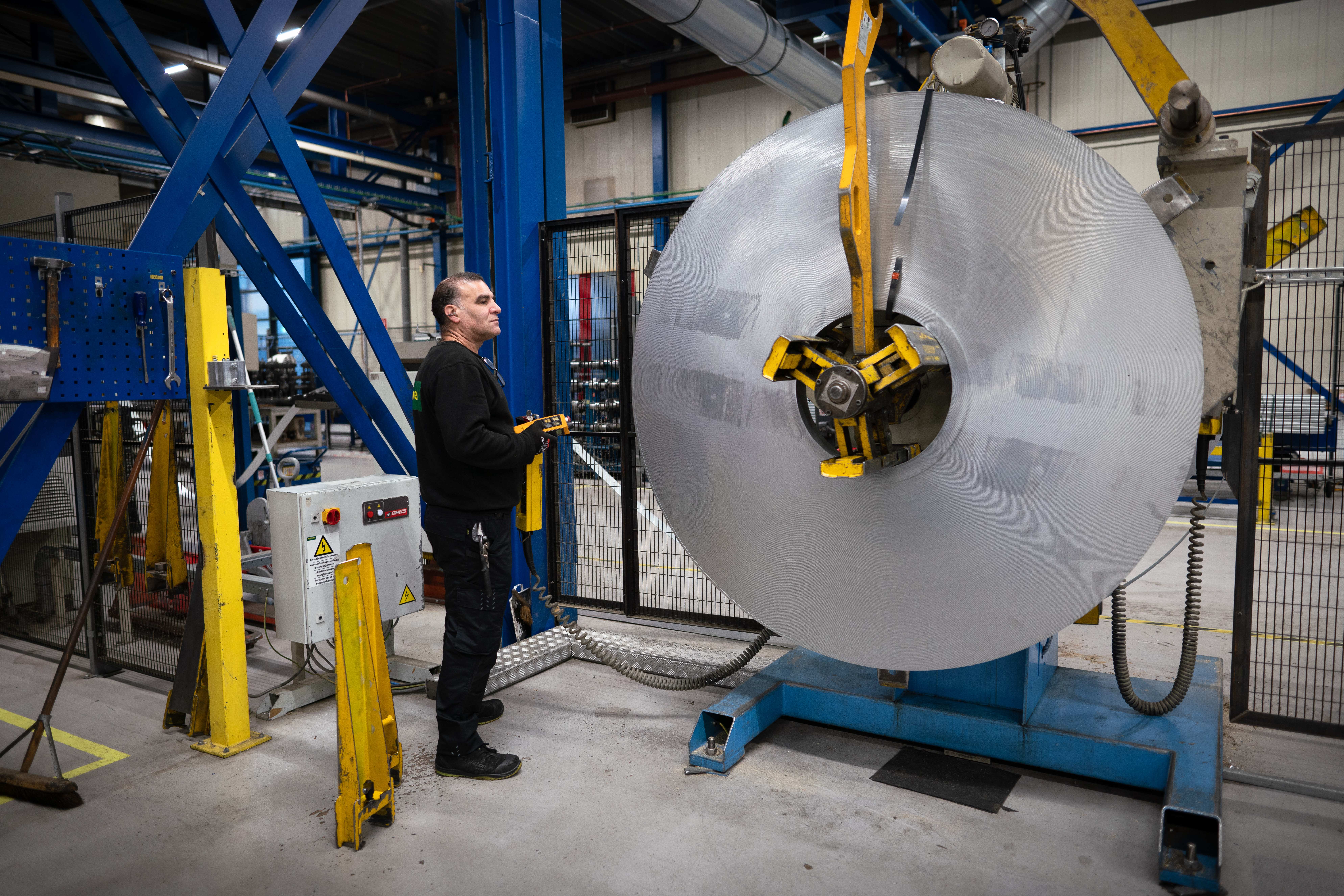
Sustainability extends beyond the product itself:
4. Installation Efficiency and Site Impact
The sustainability of fixings and supports is also influenced by how they are installed:
5. Lifecycle Considerations and Maintenance
Sustainable selection must account for long-term performance:
Sustainability in M&E fixings and modular support systems is not a niche concern—it’s a strategic imperative.
By considering material choices, modularity, supply chain ethics, installation practices, and lifecycle performance, contractors and designers can make informed decisions that support environmental goals without compromising on quality or safety.
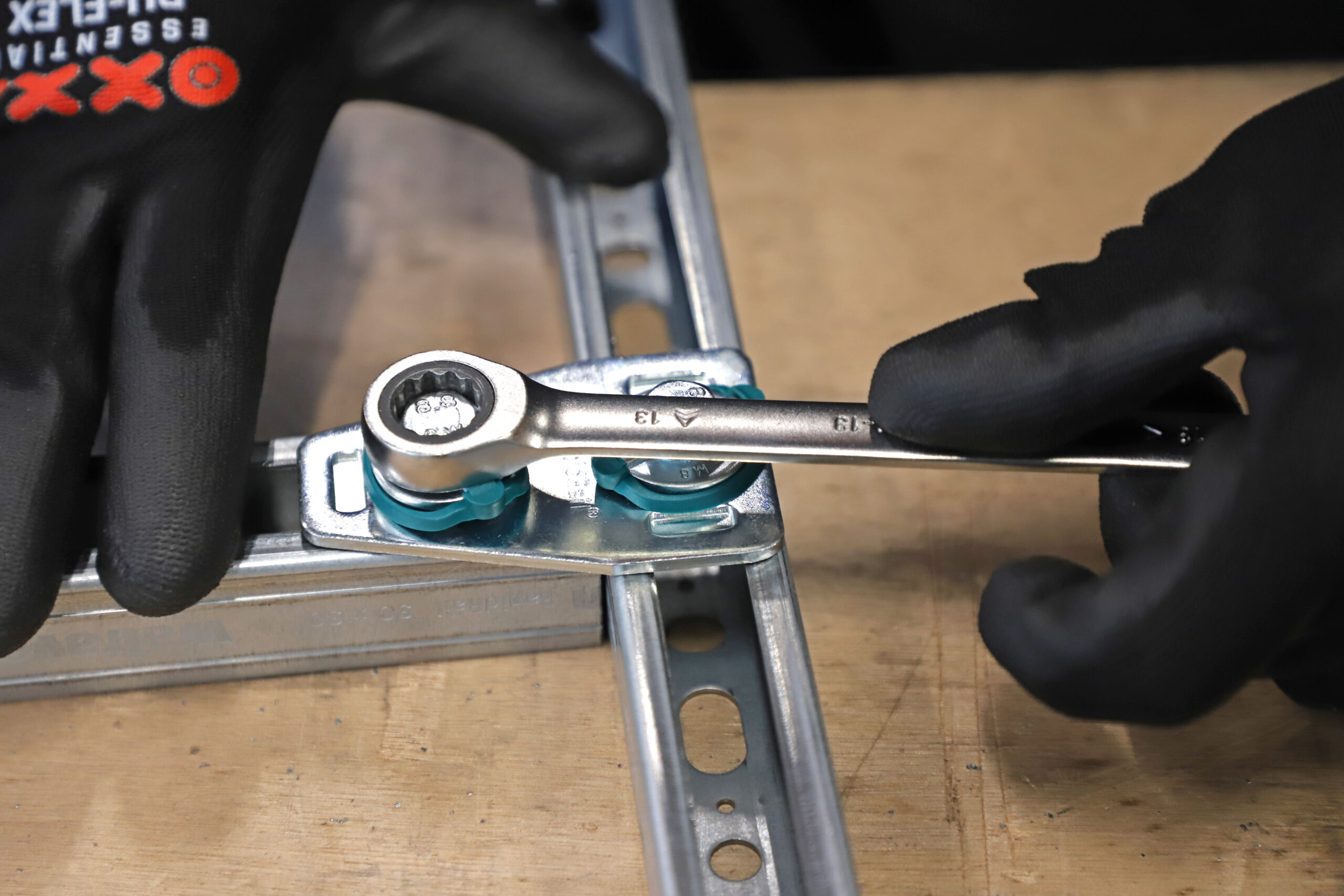
As the industry moves toward net zero, every component counts. Fixings and supports may be small in size, yet their impact is anything but.