
Author: Malcolm Moss, President
ADCAS (The Association of Ductwork Contractors and Allied Services)
Author: Malcolm Moss, President
ADCAS (The Association of Ductwork Contractors and Allied Services)
Malcolm Moss, President of ADCAS explains why competence in ductwork installation is more critical than ever – and how a new toolkit can help raise standards.
The building engineering services sector is under increasing pressure to demonstrate competence across all aspects of its work. For industrial and commercial ductwork installers this is especially critical as the consequences of poor installation extend far beyond inefficiency, impacting fire safety and air quality.
As part of ongoing endeavours to raise standards and set industry benchmarks, The Association of Ductwork Contractors and Allied Services (ADCAS) recently partnered with the Building Engineering Services Association (BESA) to assist with the production of its Practical SKEB Toolkit for ductwork installers.

As part of ongoing endeavours to raise standards and set industry benchmarks, The Association of Ductwork Contractors and Allied Services (ADCAS) recently partnered with the Building Engineering Services Association (BESA) to assist with the production of its Practical SKEB Toolkit for ductwork installers.
This toolkit provides a structured way to demonstrate Skills, Knowledge, Experience, and Behaviours (SKEB) in practice, setting a benchmark for professional standards in the trade.
What is SKEB?
SKEB is a framework designed to capture the complete picture of professional competence and stands for:
By embedding these four pillars of competence into everyday practice, installers and employers can provide tangible evidence that work is being carried out to the highest standard. This aligns closely with national competence frameworks and evolving regulatory expectations, particularly in the wake of safety reforms following the Grenfell Tower tragedy.
Competence areas
The new guide sets out key areas in which ductwork installers must evidence competence. The first establishing and maintaining of relationships. This means communicating effectively with clients, understanding their needs, and providing accurate technical advice.
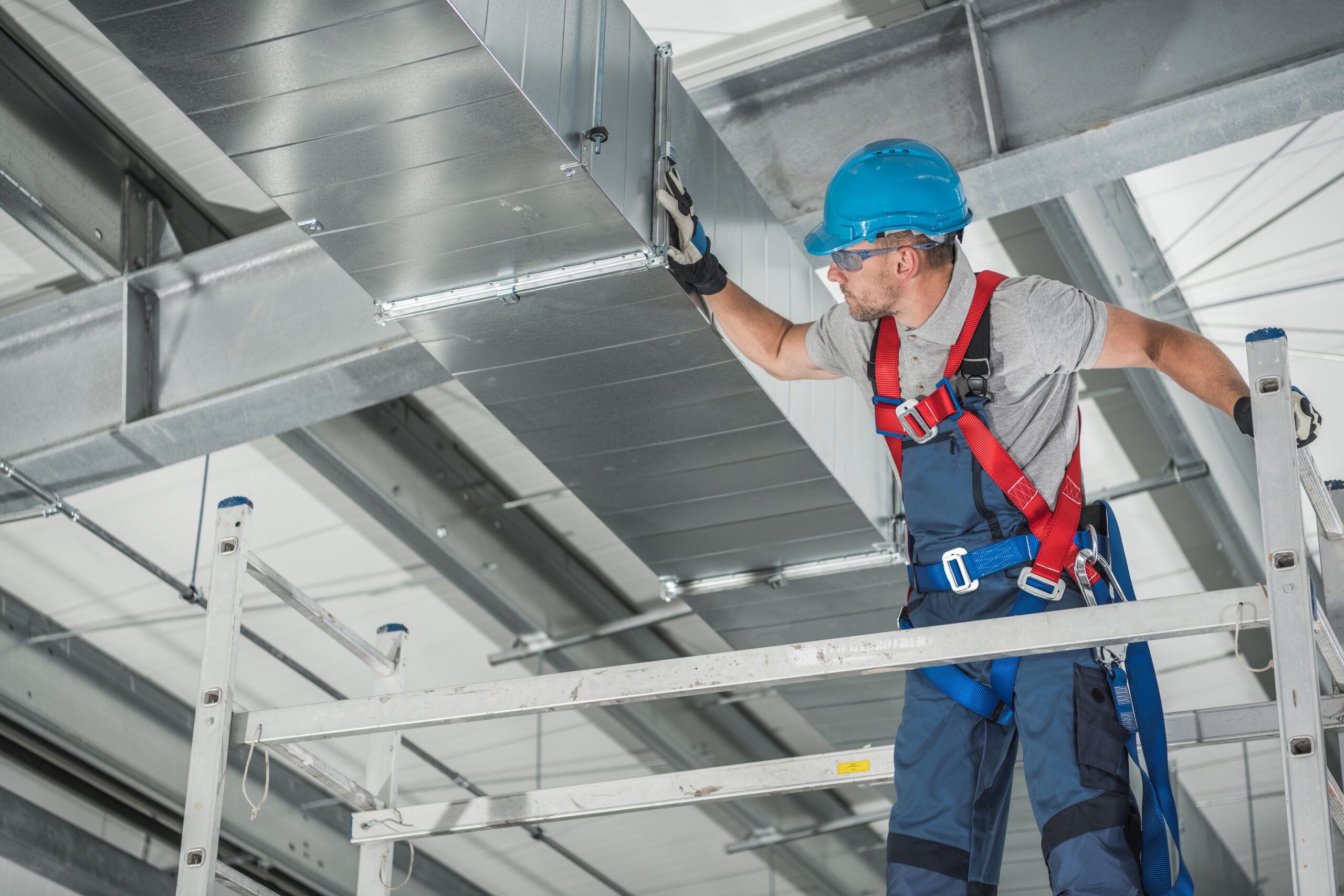
Installers must then apply relevant health, safety and environmental legislation; prioritise safe practices; minimise risks and protect both workers and the wider environment.
In reviewing the work environment, hazards should then be identified and checks for defects made before installation begins. Installers should also carefully assess requirements when identifying systems, equipment and components to ensure solutions are feasible.
When installing, the correct standards and specifications should be followed and pre-commissioning checks carried out during inspection and testing.
Each of these areas connects directly to regulatory compliance, ensuring installations are both safe and reliable.
Professional standards
Technical ability alone does not make a competent installer. The toolkit stresses the importance of professional behaviours, such as working within defined capability and seeking advice when needed. It also highlights taking responsibility individually while collaborating effectively in teams, engaging in continuous professional development, challenging unsafe practices and reporting risks, and upholding quality standards and speaking up when requirements are not met.
Employers can evidence behaviours through supervisor feedback, performance reviews and appraisal records. These insights provide a valuable measure of how individuals operate on-site, beyond the technical aspects of their role.
Under Regulation 11E of the Building Regulations, employers must ensure that individuals are both competent and adequately supervised. This supervision extends beyond basic oversight.
It requires verifying individuals’ records, identifying past sanctions, and ensuring heightened vigilance in higher-risk projects. By formalising supervision, the industry can further reduce risks and strengthen public confidence in building safety.
Individuals can evidence their skills and knowledge in installing industrial and commercial ductwork through achievement of a relevant regulated qualification or programme of training and assessment meeting the same standard – for example, the SVQ Level 2 in Heating and Ventilating Ductwork Installation
Additional evidence of competence specific to installation of fire resisting ductwork may be obtained through completing specific training and assessments such as the
Level 2 NVQ Diploma Associated Industrial Services Occupations – Passive Fire Protection and SCQF Level 5 Installation of Fire Resisting Ductwork and Ventilation Systems.
Competence management
Competence is not solely an individual responsibility; it must also be managed at an organisational level. The toolkit offers guidance on how companies can review and validate competence, recommending five key practices:
For higher-risk buildings (HRBs), these requirements align with the Golden Thread principle, ensuring that competence records are integrated, traceable, and continuously monitored throughout a building’s lifecycle.
Raising standards
The Ductwork Toolkit is aligned with the work of the Engineering and Building Services Skills Authority (EBSSA) and the Industry Competence Steering Group (ICSG), particularly its Sector Group 10 on ductwork installer competence.
Together, these initiatives aim to establish clear benchmarks for SKEB, create mechanisms for industry-wide competence validation, and ensure that ductwork installation continues to evolve in line with safety expectations.
Part of sustained efforts to raise the bar throughout the ductwork sector, the SKEB Ductwork Toolkit is playing an important role in documenting how competence is understood, evidenced, and managed.
By combining technical expertise with professional behaviours and by supporting both individuals and organisations, the framework is helping to raise standards and build trust at a time when regulatory scrutiny is intensifying and safety expectations are being closely examined.