
Riello Burners
Riello Burners
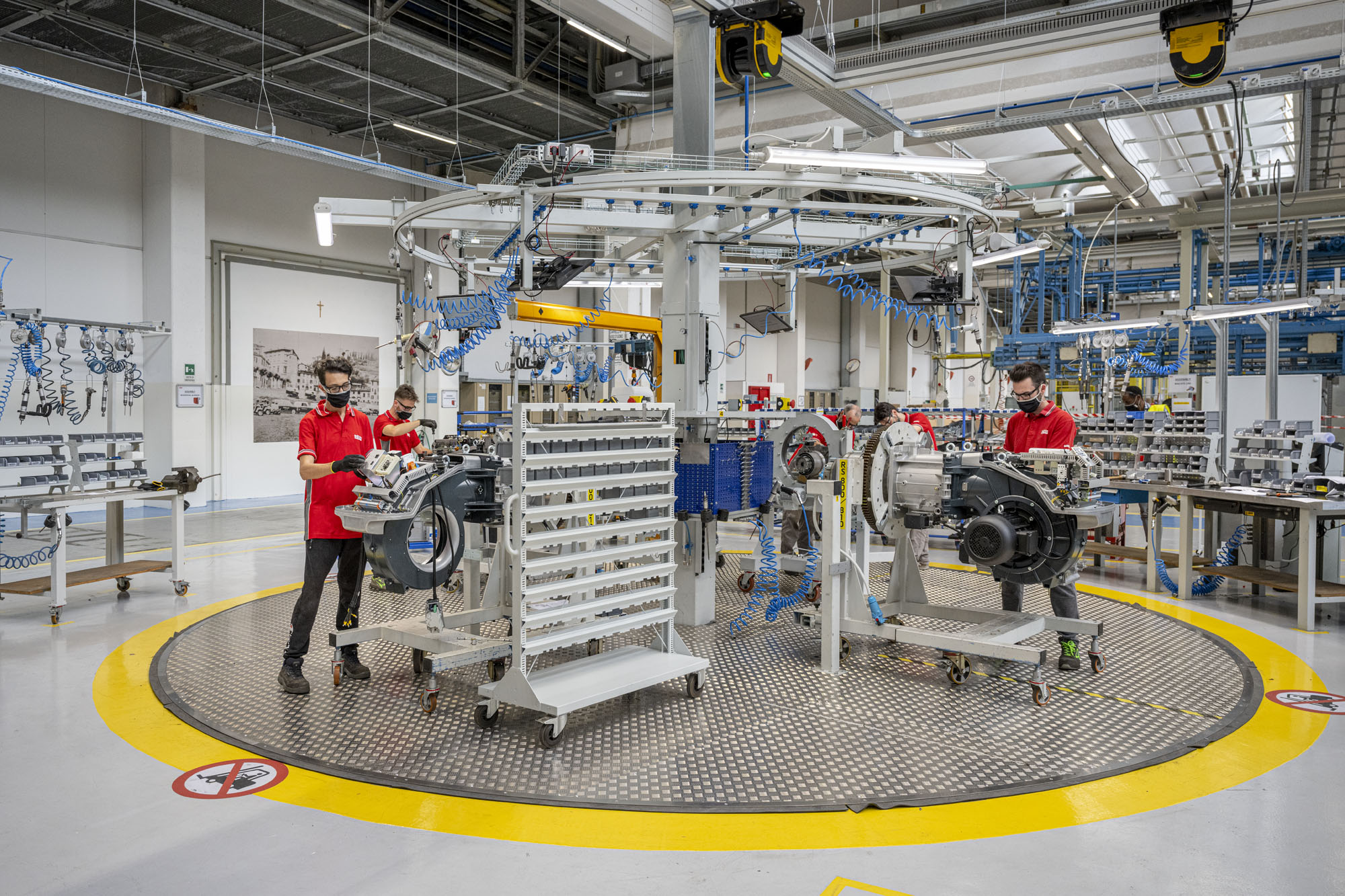
What Engineers Are Asking and How Riello Helps
Every burner engineer knows the moment: you’re on site, everything’s wired in, but the burner just isn’t playing ball. Whether you’re dealing with a quiet residential oil unit or a powerful commercial gas burner, a solid grasp of fault-finding is essential, but so is knowing when to pick up the phone.
At Riello, technical excellence doesn’t stop at the product. Graham Barker, Sales & Service Director at Riello Burners in the UK, Carrier RLC EMEA says, our UK technical helpline takes thousands of calls a year from heating engineers, installers and service technicians. The questions vary in complexity, but many follow familiar patterns. These repeat queries reveal not just the realities of burner commissioning and servicing, but also the importance of good design, responsive support and clear documentation.
So what are engineers asking most often?
Burners that won’t fire
In both residential and commercial settings, the most common enquiry is refreshingly simple: “The burner’s not doing anything, what do I check?” More often than not, it’s an external enable signal holding things up, or a simple wiring or voltage issue. Riello’s control logic is designed with safety and clarity in mind, if something isn’t right, it will hold fire rather than proceed.
Fan runs, nothing happens
With residential oil burners, another recurring theme is the fan motor running while the burner fails to progress. This usually points to a flame sensor or controller issue. The good news? With basic checks to resistance values, coil voltages and the sensor, the fault can often be quickly identified. These aren’t complex systems, but they’re smart, and they know when to stop and wait for the engineer to catch up.
Gas valve confusion
In the commercial world, one misconception still crops up regularly – that gas valves arrive pre-set. They don’t. On-site commissioning is essential, and Riello provides detailed, step-by-step guidance for setting throughput and regulator adjustments, especially on Dungs MBDLE models. It’s a job that rewards patience, and compensates the engineer with smooth, efficient operation when done right.
Emissions expectations
Burner performance isn’t just about ignition; it’s about the fine balance of combustion. Another common question is: “What emissions should I expect?” Riello gas burners typically deliver CO₂ levels around 9.5% and very low CO readings, while oil burners push CO₂ into the 11.5-12.5% range.
With proper tuning, smoke numbers remain minimal. These targets reflect Riello’s focus on efficient combustion and emissions control, helping engineers meet performance expectations and compliance requirements with confidence.
- The one-second lockout
A particularly frustrating fault is the burner locking out one second after ignition. Engineers know it’s about the combustion triangle – fuel, air and spark – but Riello systems offer a level of clarity that helps you track the issue down. On Low NOx models, even flame luminosity comes into play, with diffuser settings used to enhance flame detection in blue-flame conditions. - Flame-on, flame-off… and repeat
Closely related is the issue of continuous cycling with no lockout, a sign of communication breakdown between the flame sensor and the controller. Again, simple checks to voltages and coil performance, or adjustments to combustion settings, usually solve the problem. In Riello’s Low NOx models, fine-tuning diffuser settings can make all the difference. - Sizing the right nozzle
When it comes to commercial oil burners, nozzle sizing is a question that never goes away. It depends on heat input, fuel type and pump pressure, and while the maths is fairly straightforward, Riello’s documentation makes it easier to navigate. The aim is always balanced performance, and predictable control across stages of operation. - Air pressure puzzles
On gas burners, lockouts during the purge phase often relate to air pressure switch activation. Whether it’s a fan not starting, a damaged pressure test point, or insufficient airflow, the root cause is usually mechanical. Riello’s designs make it easy to monitor, diagnose and resolve. - Servomotor Switchovers
With the phase-out of older LKS servomotors, engineers occasionally encounter wiring challenges when fitting Siemens SQN replacements. These conversions are fully supported with new diagrams and advice, and most issues can be traced back to one or two incorrectly assigned cables. - Understanding the blink code
Finally, burner diagnostics remain a favourite topic. For burners using Siemens RMG or RMO controllers, the built-in ‘blink code’ system allows rapid diagnosis of lockout causes. One tap on the reset button puts the controller into diagnostic mode, and the LED pulses out the fault code, making it easier than ever to see what’s wrong and get it sorted.
Burner confidence starts with support
What these enquiries show, above all, is that even the most capable engineers value backup.
Riello’s burners are built for reliability, but when things don’t go to plan, our technical team is there to guide, advise and support. From residential oil systems to large-scale commercial plantrooms, Riello burners keep the heat on, powered by experience, driven by precision, and backed by a helpline that really delivers.
![[Aggregator] Downloaded image for imported item #5648](https://buildingengineeringservices.co.uk/wp-content/uploads/2026/09/RWM-CIWMstand-1-1-768x461.webp)
![[Aggregator] Downloaded image for imported item #5646](https://buildingengineeringservices.co.uk/wp-content/uploads/2026/09/ECA-2-768x768.jpg)